

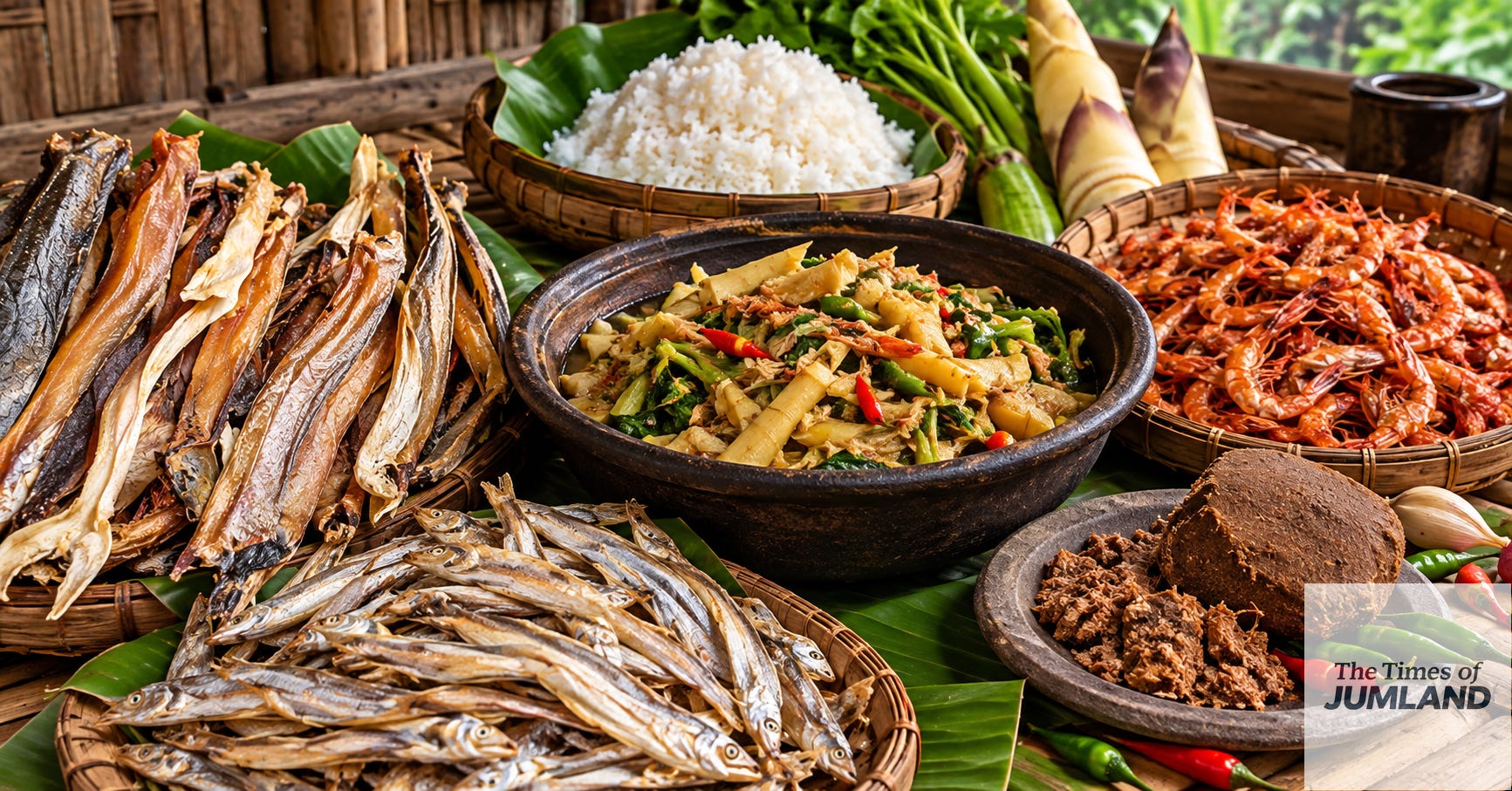
A little cidol warming over a flame, a handful of dried shrimp, or a piece of hangor mach simmering with vegetables: ingredients like these can turn an ordinary meal into something deeply familiar. Traditional Jumma food has carried the flavors and memories of the Chittagong Hill Tracts across generations. But will children born in Tokyo, Seoul, London, or New York recognize these ingredients? And a century from now, who will explain why their grandparents loved them?
Traditional Jumma food tells a story rarely found in political histories. It is the story of what families cooked after working in their fields, what they preserved for another season, and what they placed beside a bowl of rice. In the Chittagong Hill Tracts of southeastern Bangladesh, ingredients such as fermented fish paste, dried fish, dried shrimp and bamboo shoots have helped shape many Indigenous kitchens. They preserve habits, language and memories of home.
Cidol, also written sidol, occupies a special place in Chakma cooking. Made from fish or shrimp through traditional preservation and fermentation, it has a pungent aroma and a concentrated savory flavor. Depending on family practice, a little may be roasted before use, mixed with chillies or stirred into a vegetable preparation. For those raised with it, the aroma can evoke childhood meals.
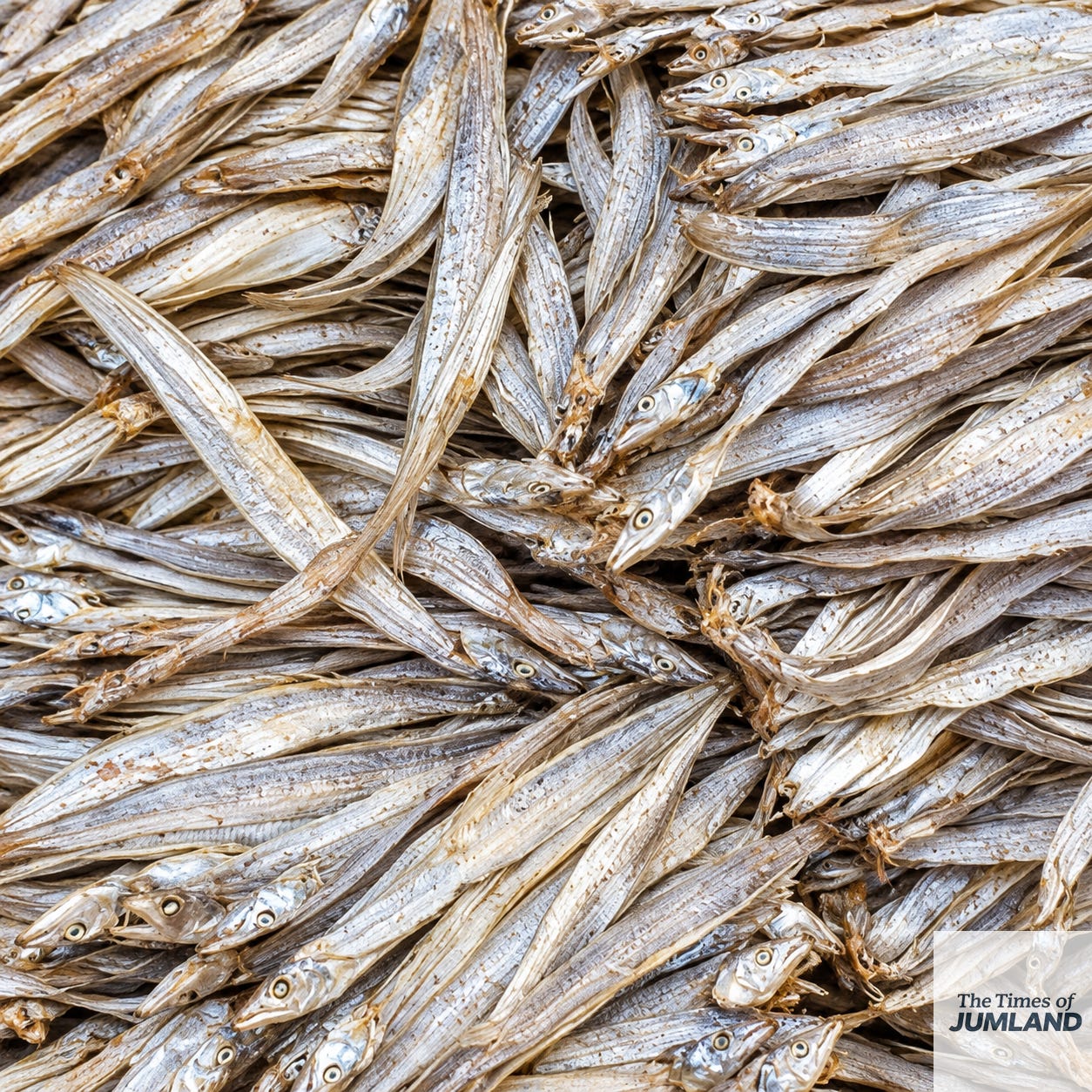
There is a difference between cidol and ordinary dried fish. Fermentation changes the character of the ingredient, whereas drying primarily removes moisture to help preserve it. The two create different textures and flavors in cooking. Traditional names preserve knowledge of preparation, storage and use.
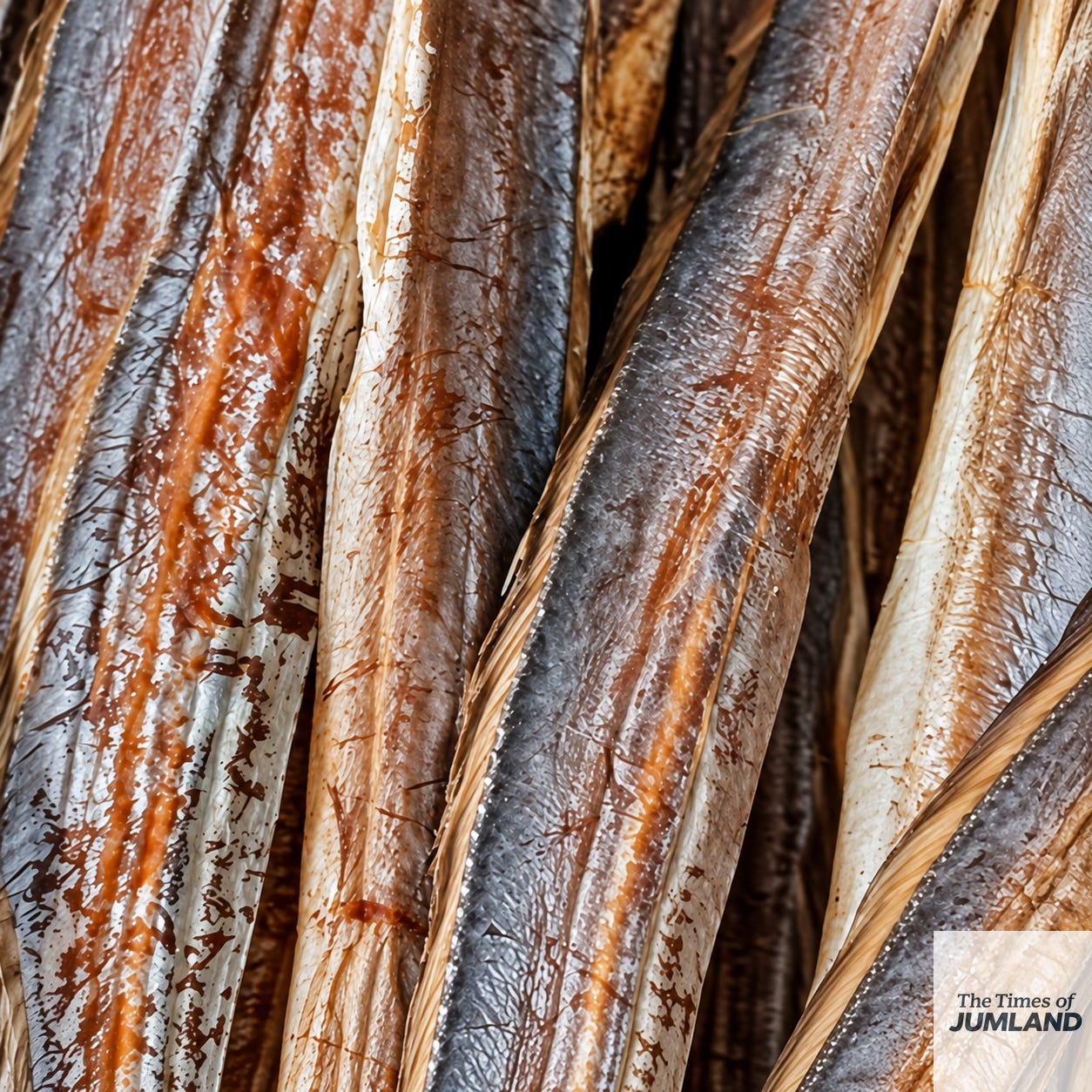
Another cherished ingredient in some Jumma households is hangor mach, meaning shark fish. Its dried form is especially recognizable, with long strips of preserved flesh that look quite different from the smaller dried fish sold in markets. Families who enjoy it may prepare it with chillies, vegetables or other seasonings, according to their own recipes. Not every Jumma community prepares or eats it alike.
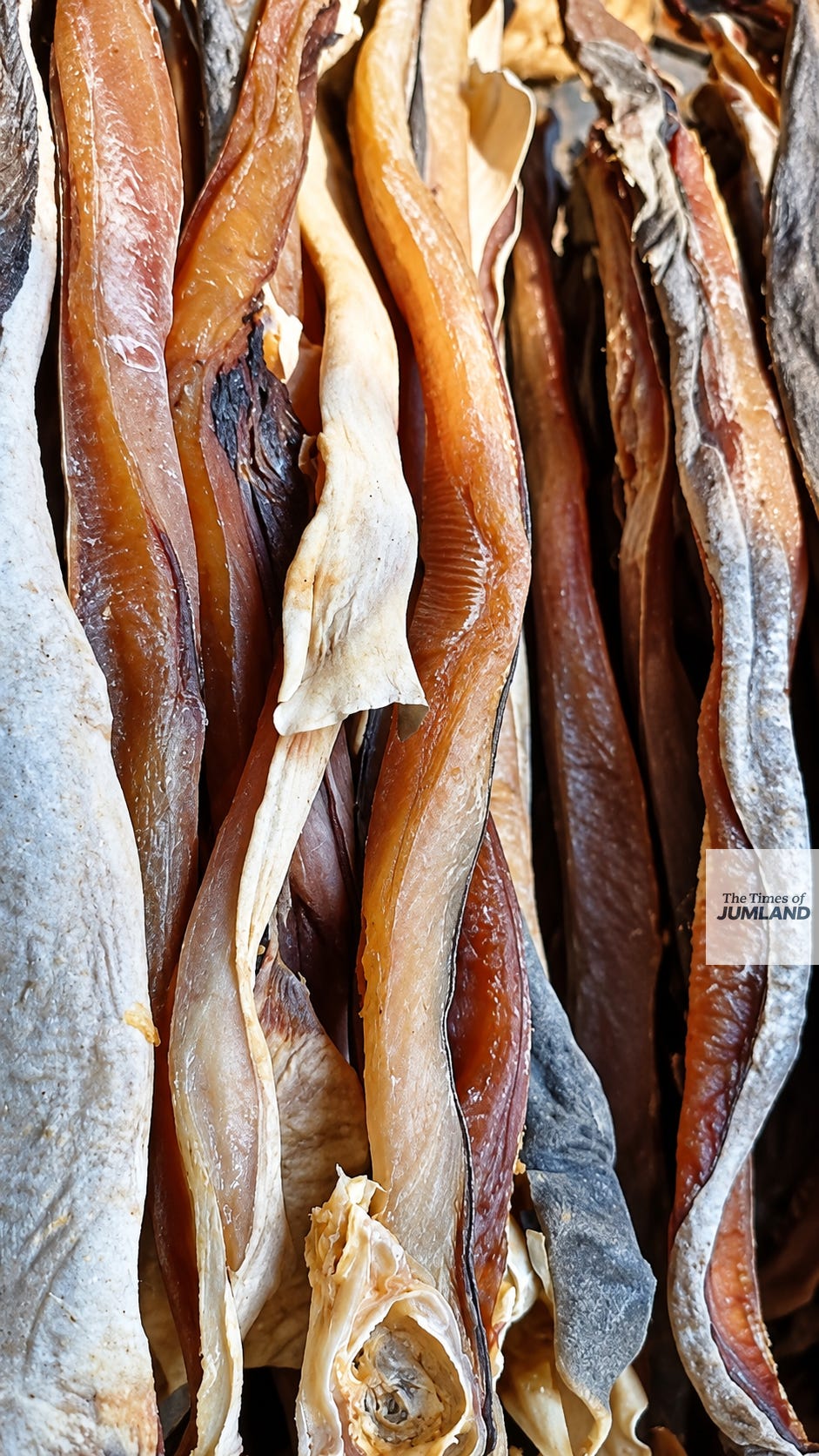
Shark also tells an unexpected geographical story. It is a marine fish, while the Chittagong Hill Tracts are inland hills. Dried seafood could travel from coastal markets into the region, becoming familiar in households far from the sea. Cuisine is shaped by both local ingredients and exchange. What eventually tastes like home may have arrived there through generations of trade.
Dried shrimp is another beloved ingredient. Known in Chakma food writing as eje guri, it can bring a deep, savory note to vegetables and bamboo shoots without requiring a complicated mixture of spices. Suguni is a term associated more broadly with sun-dried fish. Each basket reflects careful preparation.
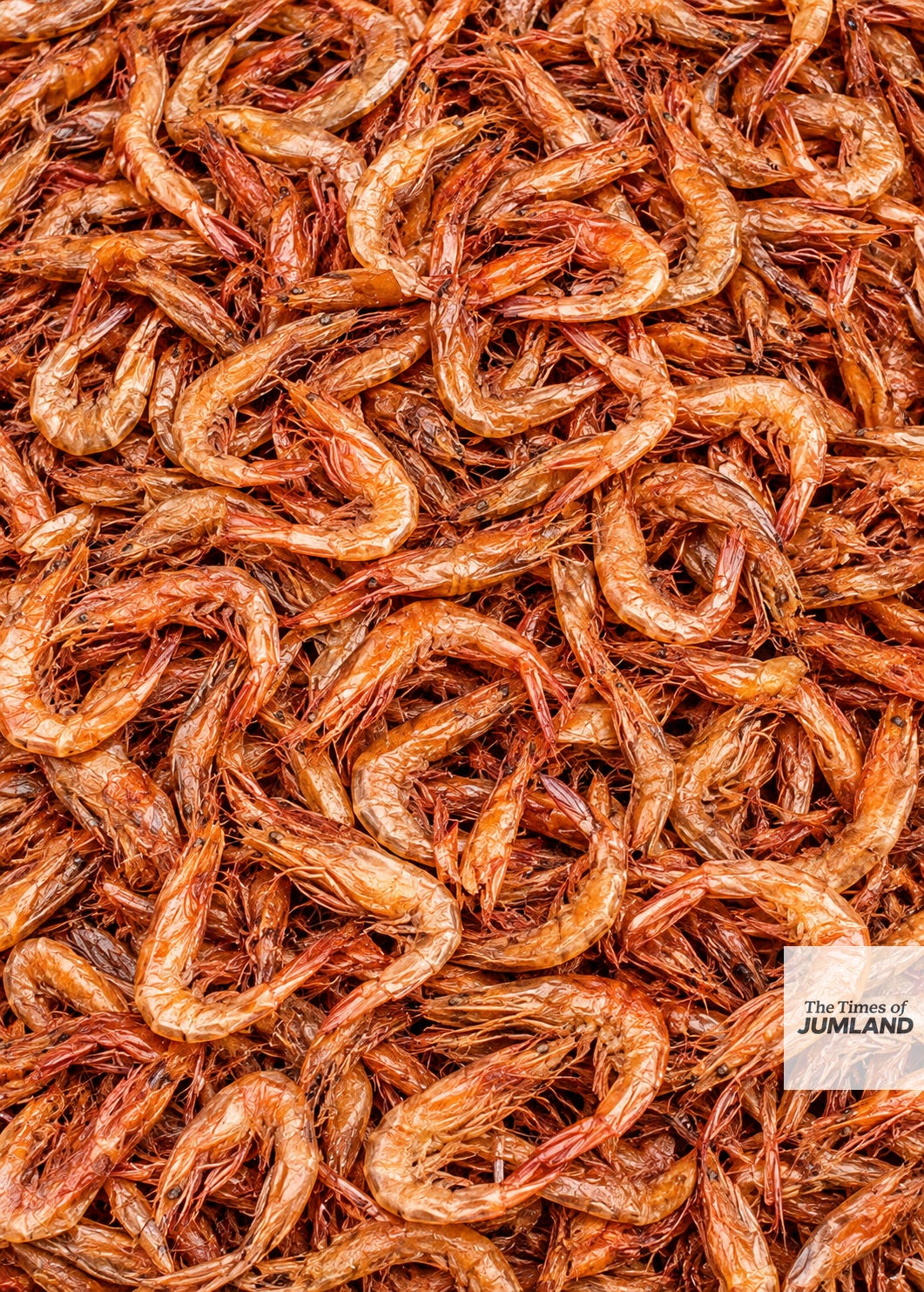
The need to preserve food helped produce these distinctive traditions. Before reliable refrigeration, drying fish under suitable conditions allowed families and traders to store it for longer periods. Fermentation offered another means of preservation while developing a powerful flavor of its own. Methods varied, but their legacy remains recognizable. A tiny portion of a preserved ingredient can still transform a pot of otherwise simple vegetables.
Bamboo shoots, called bachchuri in Chakma, are another favorite. Properly prepared shoots can be cooked with dried shrimp, cidol, chillies or other ingredients, depending on the household. Seasonal leaves, herbs, roots and vegetables also play important roles in cooking across the hills. Fresh ingredients and restrained seasoning often distinguish these dishes from restaurant-style curries.
Yet the Chittagong Hill Tracts have never had one uniform cuisine. Chakma, Marma, Tripura, Tanchangya, Bawm, Mro and other Indigenous communities maintain distinctive food traditions, even when they share certain ingredients. Fermented seafood preparations may be known by different names, including nappi in some communities, and their methods can vary. A cultural archive should preserve these differences.
Food also belongs to celebrations. During Biju, the Chakma New Year festival, families prepare pajon, a mixed-vegetable dish that draws on the season’s variety and may include dried fish. But a community’s culinary heritage lives just as strongly on ordinary days. A family gathering around steamed rice and vegetables flavored with cidol may not consider the meal historically important. For a child remembering it decades later, however, that everyday meal may become one of the clearest pictures of home.
Migration brings both opportunities and a challenge. A Jumma child born in Japan may know miso soup or ramen better than cidol; another growing up in Korea, Britain or America may enjoy the familiar foods of that country. Adapting is natural. Some families continue cooking traditional meals regularly, while others save them for holidays or struggle to find the ingredients. The concern is not what children must eat, but what they may never learn to recognize.
Will a young Jumma in London know the difference between cidol and dried fish? Will someone in Seoul understand why their grandparents loved hangor mach? Will a child in California know the Chakma name for dried shrimp, or remember the vegetables that went into a Biju meal? The questions have lasting consequences. Once the people who carry this knowledge are gone, even familiar household details may be difficult to recover.
The answer is to document everyday cooking while its custodians can still describe it. Photograph the ingredients, record their names in Indigenous languages, and ask elders how particular dishes were prepared. Write down variations instead of insisting there is only one authentic method. Even the story of how a grandmother roasted cidol can outlive her kitchen.
Imagine a Jumma researcher in 2126 opening an article published a century earlier and finding photographs of cidol, dried shark and shrimp. The researcher may never have visited the ancestral village or met the people who cooked those meals. Yet the words and images could offer a small connection to their history. Traditional Jumma food is not only something we taste today; it is part of what future generations may use to understand who their ancestors were.
When a recipe disappears, we lose more than a flavor. We risk losing a name, a memory, and a small but irreplaceable part of a people’s cultural inheritance. Preserving traditional Jumma food is therefore about more than keeping old recipes alive; it is about passing our history to future generations. If you remember a traditional dish, an ingredient, or a recipe from your parents or grandparents, share it in the comments. Your memories may help preserve a part of Jumma heritage for another hundred years. After all, preserving that inheritance begins with one simple question: What did our grandparents put into their curry?